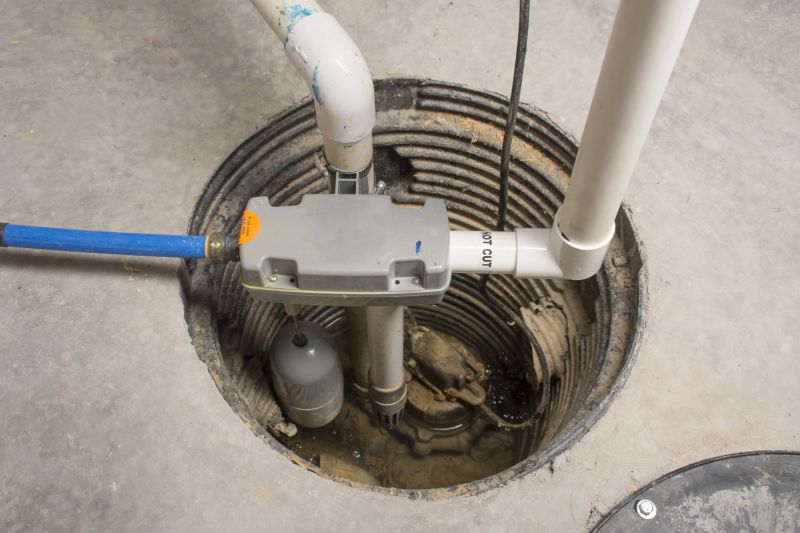
Sump Pump Installation in Boston, MA
Sump pump installation services involve setting up a reliable system to help protect properties from basement flooding caused by heavy rain or groundwater seepage. These systems are typically installed in the lowest part of a home’s basement or crawl space and work by automatically removing excess water before it can cause damage. Projects often include installing new sump pumps in homes without existing systems, replacing outdated or malfunctioning units, or upgrading to more efficient models. Property owners usually want to understand the size and capacity of the sump pump needed for their space, as well as the proper placement to ensure effective water removal and long-term durability.
Before requesting sump pump installation, homeowners should consider the history of basement flooding, the layout of their property, and the drainage conditions around the foundation. It’s also helpful to know whether the existing drainage system is adequate and if there are specific features like backup power sources or battery backups that might be desired for added protection. Understanding these factors can help ensure that the new sump pump system is appropriately tailored to the property’s needs and provides reliable flood prevention during heavy storms or seasonal changes.
Many property owners in Boston, MA look into Sump Pump Installation for repairs, replacements, upgrades, and appearance-related improvements.
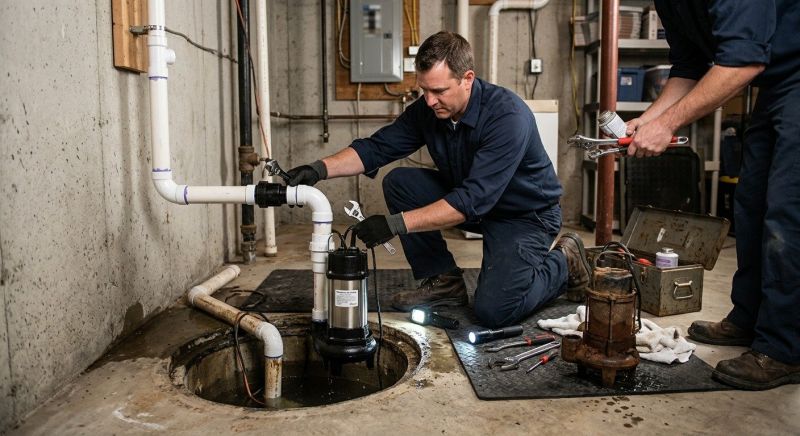
Why Install A Sump Pump
A sump pump helps prevent basement flooding and water damage during heavy rains.
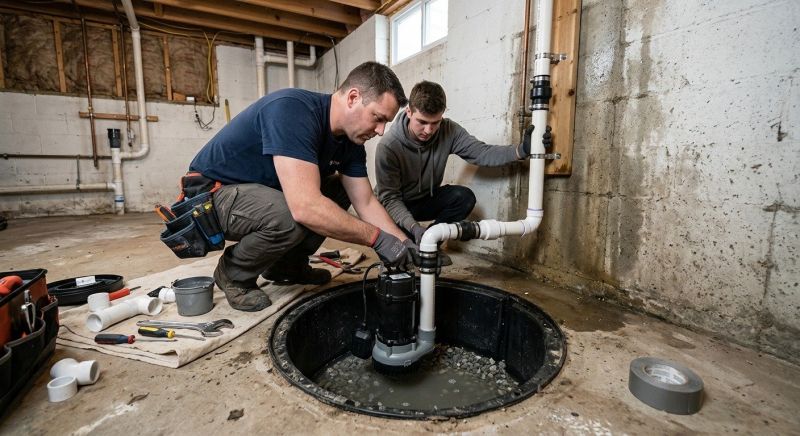
Types Of Sump Pumps
Different models are available to suit various property sizes and water management needs around boston.
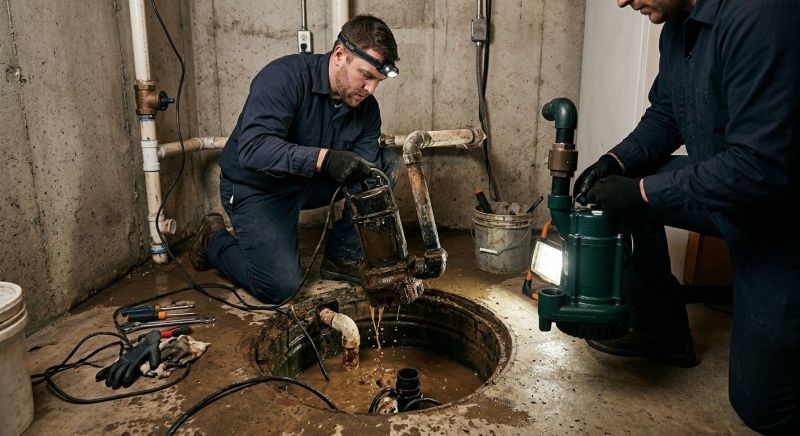
Maintenance And Upkeep
Proper maintenance ensures reliable operation and extends the lifespan of your sump pump system.
Sump Pump Installation in Boston, MA

Sump pump installation services involve setting up a reliable system to help protect properties from basement flooding caused by heavy rain or groundwater seepage. These systems are typically installed in the lowest part of a home’s basement or crawl space and work by automatically removing excess water before it can cause damage. Projects often include installing new sump pumps in homes without existing systems, replacing outdated or malfunctioning units, or upgrading to more efficient models. Property owners usually want to understand the size and capacity of the sump pump needed for their space, as well as the proper placement to ensure effective water removal and long-term durability.
Before requesting sump pump installation, homeowners should consider the history of basement flooding, the layout of their property, and the drainage conditions around the foundation. It’s also helpful to know whether the existing drainage system is adequate and if there are specific features like backup power sources or battery backups that might be desired for added protection. Understanding these factors can help ensure that the new sump pump system is appropriately tailored to the property’s needs and provides reliable flood prevention during heavy storms or seasonal changes.
Many property owners in Boston, MA look into Sump Pump Installation for repairs, replacements, upgrades, and appearance-related improvements.
Common Sump Pump Installation Jobs
Sump Pump Installation - ensures proper drainage to prevent basement flooding during heavy rains.
Sump Pump Replacement - upgrades aging or malfunctioning units to protect property from water damage.
Basement Waterproofing - integrates sump pumps as part of comprehensive moisture control solutions.
Sump Pump System Design - customizes installation to match the specific needs of the property.
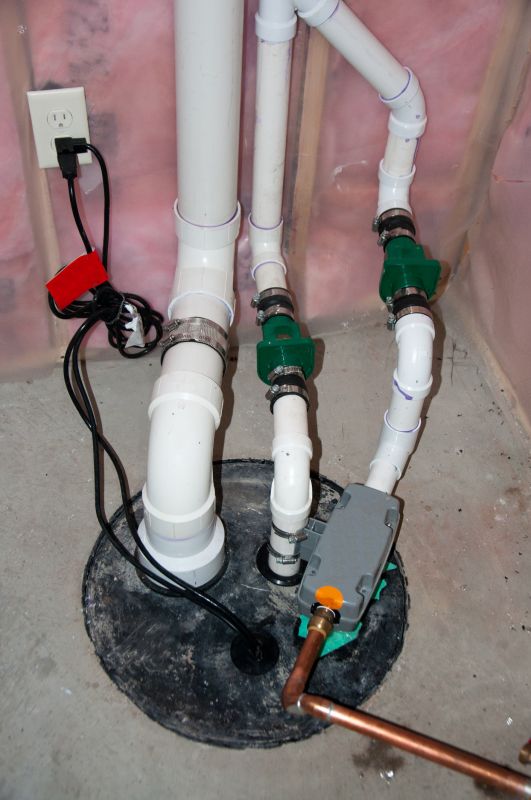
Drainage System Setup - connects sump pumps to exterior discharge points for effective water removal.
Water Backup Solutions - adds battery-powered backups to maintain operation during power outages.
Sump Pump Installation Questions
What is a sump pump and why is it important? A sump pump helps remove excess water from basements and crawl spaces, preventing flooding and water damage during heavy rains or snowmelt.
When should a sump pump be installed? Installation is recommended when property owners experience frequent flooding, high water tables, or want to protect below-grade spaces from water intrusion.
What types of sump pumps are available? There are primary sump pumps for regular use and battery-backed backup pumps for added protection during power outages.
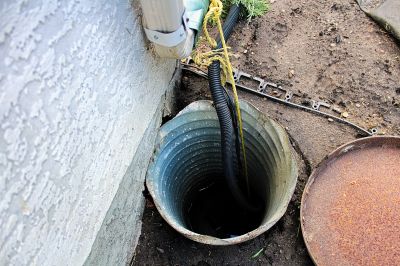
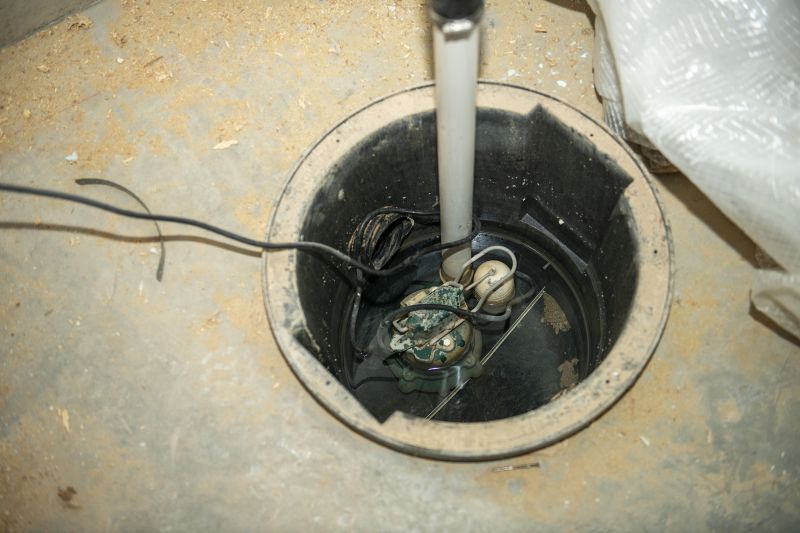
How does the installation process work? The process involves digging a sump pit, installing the pump, and connecting it to a drainage system to direct water away from the property.
Request Sump Pump Installation in Boston, MA
Use the quote form on this page to share the basics of your project and request more information for the type of work you need.